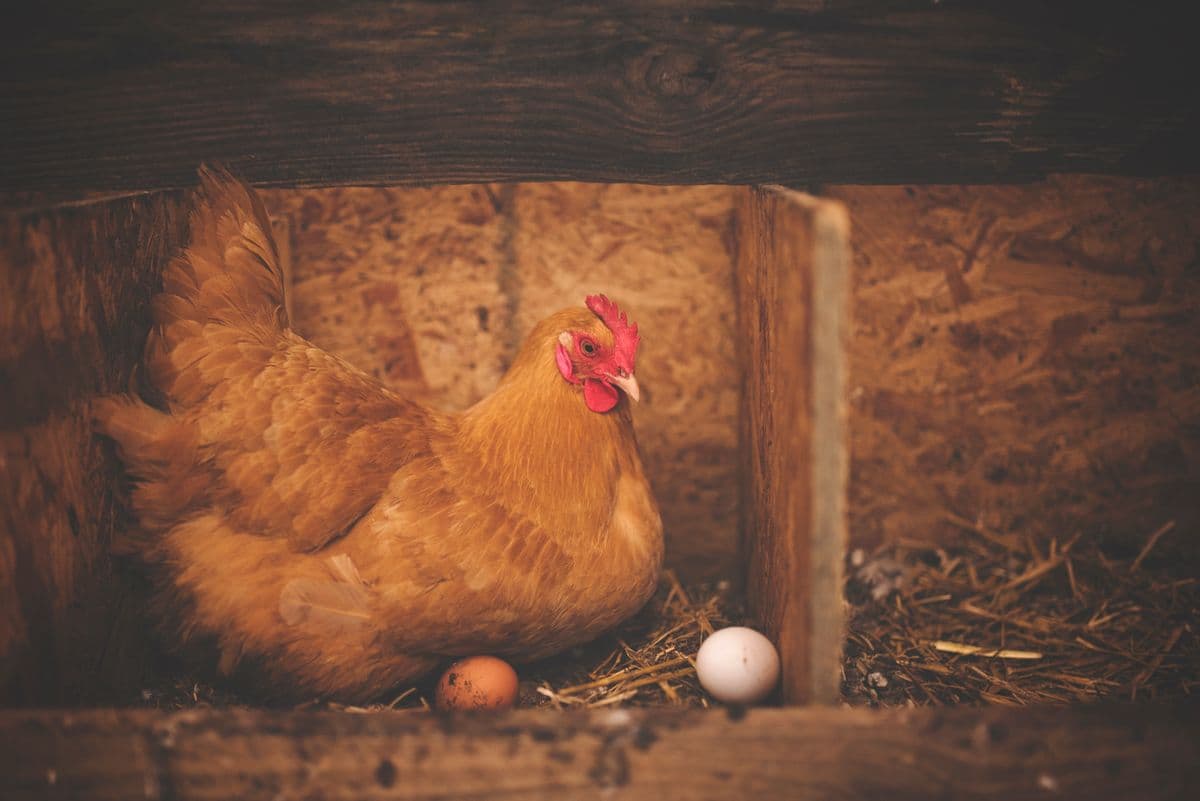
🐔 Chickens
Backyard Chicken Health: A Practical Guide for Flock Keepers
Keeping hens is rewarding, but chickens hide illness and problems spread fast through a flock. Here's what an online vet can help you catch and manage early.
Why flock health needs quick answers
Chickens are prey animals that mask illness until they're seriously unwell, and disease can move through a flock quickly. Many keepers don't have a local vet who treats poultry. Online access to a vet who understands chickens helps you triage fast and protect the rest of the flock.
Got a question about your chicken right now?
Describe your situation to a licensed vet on JustAnswer and get a specific answer in minutes, any time of day or night.
Ask a Vet Online Now → (opens in a new tab)Affiliate link. We may earn a commission at no extra cost to you.
Egg-laying problems
Egg binding, when a hen can't pass an egg, is an emergency: look for a hunched, straining hen who's off her feed. Soft-shelled or misshapen eggs often point to calcium or husbandry issues. An online vet can help you tell a true bind from normal variation and guide first-aid steps like a warm bath.
Respiratory disease
Sneezing, nasal discharge, swollen faces, or rattly breathing can spread through a flock rapidly and have several causes. An online vet can help you assess severity, separate affected birds, and decide whether treatment is needed, and when biosecurity matters most.
Parasites: mites, lice, and worms
External parasites like red mite and scaly leg mite, and internal worms, are extremely common and sap a flock's health. An online vet can help you identify the problem from your description and advise on safe, effective treatment and prevention.
Marek's, bumblefoot, and the lumps you'll find
From bumblefoot (a footpad infection) to crop issues and the various lumps keepers discover, an online vet can help you work out what's serious and what's routine, and when a bird needs hands-on care.
Diet and predator-proofing
Good layer feed, grit, clean water, and a secure coop prevent a surprising share of the problems vets see. An online vet can review your setup and flag the gaps that lead to nutritional and stress-related illness.
Key takeaways
- Chickens hide illness and disease spreads fast, so triage quickly and isolate affected birds.
- A hunched, straining hen off her feed may be egg-bound, which needs prompt help.
- Respiratory signs can move through a flock rapidly; separate birds and prioritise biosecurity.
- Mites, lice, and worms are extremely common and quietly sap flock health; check regularly.
- Good layer feed, grit, clean water, and a secure coop prevent many common problems.
- Many keepers lack a local poultry vet, so online advice is a useful first step.
Still have a question about your chicken?
Chat With a Licensed Vet on JustAnswer → (opens in a new tab)Affiliate link · No extra cost to you
More pet care guides
🦜 Birds
Pet Bird Health: The Subtle Signs Your Parrot or Budgie Is Unwell
7 min read

🐴 Horses
Everyday Horse Health Questions You Can Ask a Vet Online
8 min read

🐕 Dogs
7 Common Dog Health Questions, and How to Tell What's Urgent
8 min read

🐈 Cats
Why Is My Cat Doing That? Decoding Common Cat Behaviour
7 min read