🐠 Betta Fish
Betta Fish Care: Beyond the Cup on the Shelf
Betta fish are sold in tiny cups, which has created a lot of myths about how little they need. In reality they're intelligent, territorial fish with specific requirements. Here's the guide.
The myths that harm bettas
Because bettas are sold in small cups and can breathe air at the surface via a labyrinth organ, many people assume they thrive in tiny unheated containers. They don't. Most betta illness comes from cold water, dirty water, and cramped tanks. An online vet can help you set things right.
Got a question about your betta fish right now?
Describe your situation to a licensed vet on JustAnswer and get a specific answer in minutes, any time of day or night.
Ask a Vet Online Now → (opens in a new tab)Affiliate link. We may earn a commission at no extra cost to you.
Heat and water quality
Bettas are tropical fish that need stable water around 25–27°C (78–80°F) and a filtered, cycled tank. Cold or dirty water suppresses the immune system and leads to fin rot and lethargy. An online vet can review your setup and help you diagnose whether a sick betta is fighting an infection or just a bad environment.
Fin rot and fungal infections
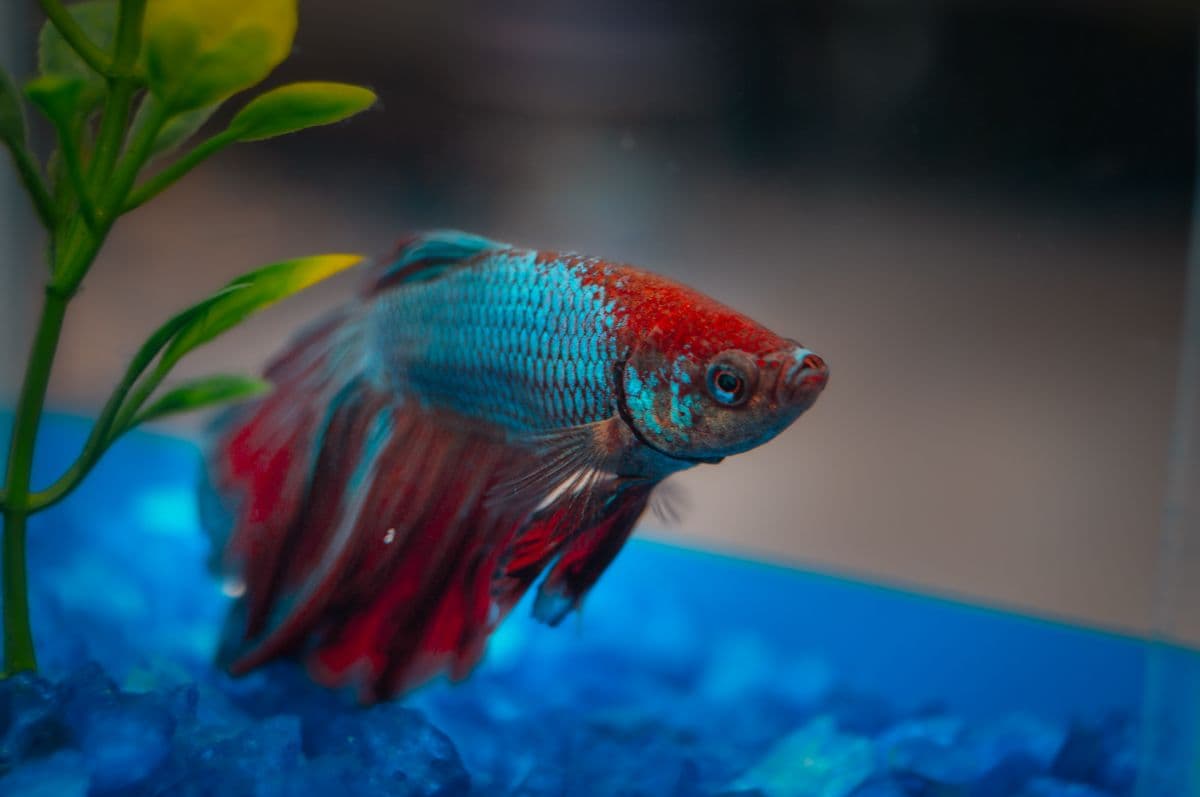
Ragged, receding, or discoloured fins usually indicate fin rot, typically triggered by poor water quality. Caught early it's very treatable with water changes and, if needed, medication. An online vet can tell you whether what you're seeing is fin rot, fin biting, or natural variation.
Swim bladder and constipation
Bettas are prone to bloating and swim bladder issues from overfeeding dry pellets. A betta struggling to stay upright often just needs fasting and a varied diet. An online vet can guide you on feeding amounts and spotting the difference between a dietary issue and a serious illness.
Enrichment and lifespan
Bettas are curious and benefit from a planted tank, gentle flow, and places to rest. With good care they live 3–5 years. An online vet can advise on tankmates (most are a bad idea with bettas) and enrichment that keeps them healthy and active.
Key takeaways
- Bettas need a heated, filtered, cycled tank around 25–27°C, not a tiny unheated cup.
- Most illness comes from cold or dirty water, so fix the environment first.
- Ragged or receding fins usually mean fin rot, very treatable when caught early.
- Overfeeding dry pellets causes bloating; fasting and a varied diet often fix it.
- A planted tank with gentle flow and resting spots keeps them healthy and active.
- Most tankmates are a bad idea; bettas are territorial.
Still have a question about your betta fish?
Chat With a Licensed Vet on JustAnswer → (opens in a new tab)Affiliate link · No extra cost to you