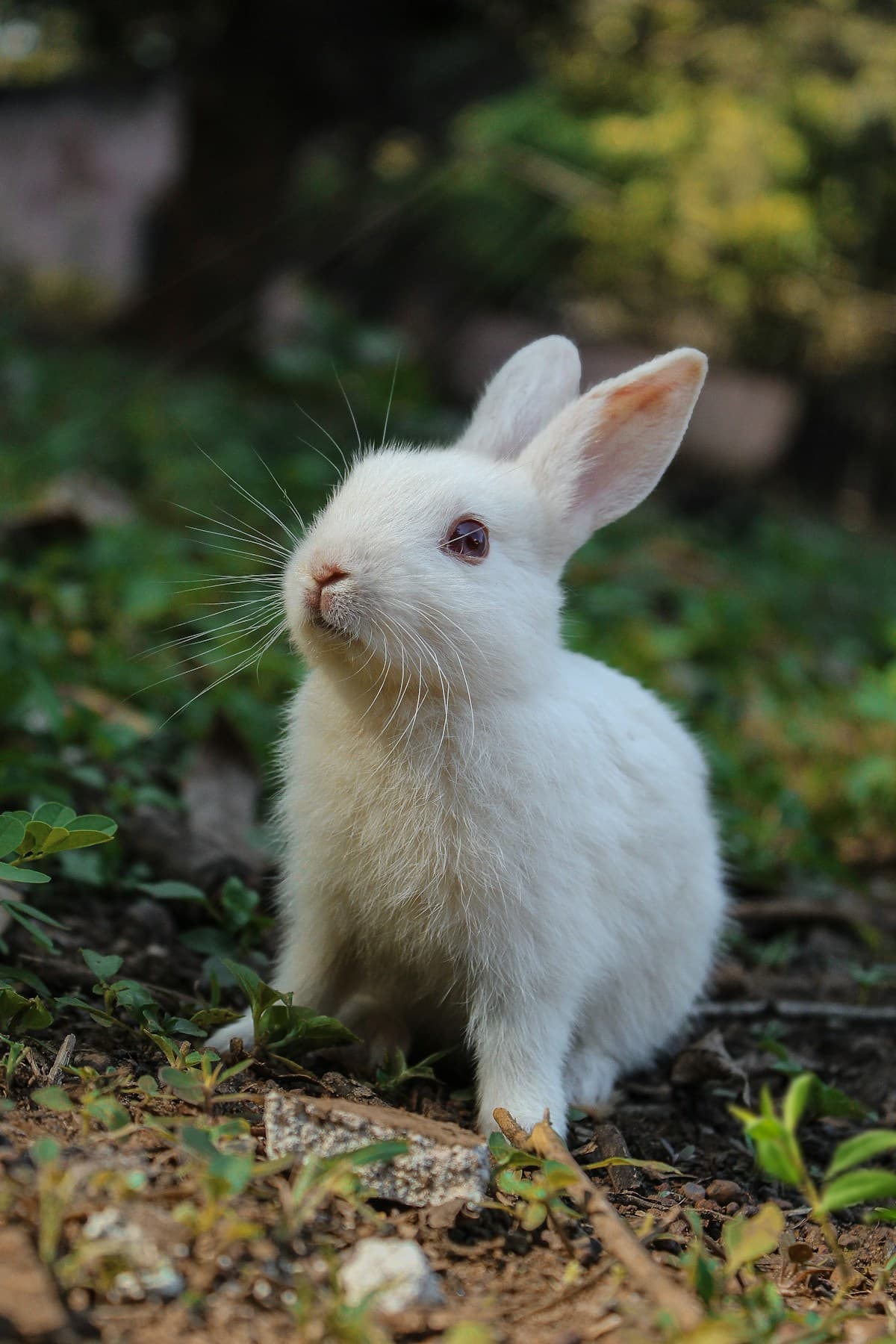
🐇 Rabbits
Rabbit Health 101: The Signs New Owners Miss
Rabbits are prey animals that hide illness until they're seriously unwell, and some of their emergencies move in hours, not days. This guide covers the signs that mean 'call an exotic vet now', plus the everyday diet and dental mistakes behind most rabbit health problems.
Why rabbits need a different playbook
Rabbits look low-maintenance and are anything but. Physiologically they're closer to small grazing livestock than to cats and dogs, their digestive system has to keep moving almost constantly, and they're hardwired as prey animals to show no weakness until they're very unwell. That combination means a rabbit can go from "a bit quiet" to a genuine emergency within a day.
Many general vet practices see few rabbits, so finding someone rabbit-experienced matters. The sections below focus on the problems that cause the most harm, starting with the one that kills more pet rabbits than anything else.
Got a question about your rabbit right now?
Describe your situation to a licensed vet on JustAnswer and get a specific answer in minutes, any time of day or night.
Ask a Vet Online Now → (opens in a new tab)Affiliate link. We may earn a commission at no extra cost to you.
GI stasis: the clock starts fast
Gut stasis, where the digestive system slows or stops, is the emergency every rabbit owner must recognise. A healthy rabbit nibbles and poops almost continuously, so the warning signs are a rabbit that stops eating, stops producing droppings (or produces tiny ones), and sits hunched and withdrawn. Because stasis can spiral within hours and is often secondary to pain or another illness, it is not a "see how they are tomorrow" situation.
If your rabbit hasn't eaten or passed droppings in roughly 10–12 hours, treat it as urgent. While arranging a vet, keep your rabbit warm and offer favourite greens, but don't force anything. A vet can tell you whether to come straight in and what supportive steps (syringe feeding, gentle belly massage, pain relief) are safe in the meantime.
Teeth: the hidden driver of so many problems
A rabbit's teeth grow continuously, and they rely on hours of hay-chewing each day to wear them down evenly. Without enough hay, the back teeth develop sharp spurs that cut into the tongue and cheeks, making eating painful, which then triggers the stasis described above. It's a chain reaction that starts silently.
Watch for drooping or a wet chin, dropping food while eating, picky eating (preferring soft food over hay), weight loss, or a pawing-at-the-mouth motion. A vet can tell you whether these point to dental trouble that needs an in-person exam, since the problem teeth are at the back and need proper instruments to see.
Flystrike: a summer emergency with a short clock
In warm weather, flies lay eggs on a rabbit's damp or soiled back end, and the maggots that hatch can cause catastrophic damage within hours. Rabbits most at risk are those who can't clean themselves well: overweight rabbits, those with dental pain, or any with a mucky bottom. This is one of the fastest-moving emergencies in rabbit keeping.
Check your rabbit's rear end at least once a day in summer. If you ever see maggots, it's an immediate vet trip, not a wash-and-wait. Prevention is mostly about keeping the hutch clean and the rabbit's bottom dry and clean, which a vet can help you troubleshoot if your rabbit keeps getting messy.
Head tilt and the stroke lookalike
A rabbit that suddenly develops a head tilt, rolls, or loses balance looks like it's had a stroke, but in rabbits the more common causes are an inner-ear infection or E. cuniculi, a common parasite many rabbits carry silently. The reassuring part is that both are often treatable, and outcomes are much better when treatment starts early.
This is a same-day vet conversation. The quicker the right treatment begins, the better the recovery, so it's worth getting a professional opinion rather than waiting to see if the tilt settles.
Diet: get this right and prevent most problems
The majority of rabbit health problems a vet sees trace back to diet. The target is simple but widely missed: unlimited grass hay should make up around 80% of what your rabbit eats, with a measured amount of plain pellets and a daily handful of leafy greens. The muesli-style mixes sold in many shops encourage selective feeding, where rabbits eat the sugary bits and leave the fibre, and are best avoided entirely.
If your rabbit snubs hay, that's worth solving with a vet's help, because low hay intake is upstream of both the dental and gut problems above.
Spaying, neutering, and companionship
Two practical points that improve rabbit lives. First, unspayed females have a very high lifetime risk of uterine cancer, so spaying is a genuine health measure, not just birth control; a vet can advise on timing and finding an experienced rabbit surgeon. Second, rabbits are intensely social and usually happier in a bonded pair, but introductions can go badly and cause injuries, so it's worth following a proper step-by-step bonding process rather than putting two rabbits together and hoping.
Key takeaways
- A rabbit that won't eat or poop for 10–12 hours is an emergency; GI stasis moves fast.
- Rabbits breathe through the nose; open-mouth breathing is a critical sign.
- Check the back end daily in summer: flystrike can cause severe harm within hours.
- Hay should be about 80% of the diet; avoid muesli-style selective-feeding mixes.
- Sudden head tilt is usually inner-ear infection or E. cuniculi, and treatable if caught early.
- Spaying females prevents a very common uterine cancer; ask a vet about timing.
Still have a question about your rabbit?
Chat With a Licensed Vet on JustAnswer → (opens in a new tab)Affiliate link · No extra cost to you
More pet care guides
🐹 Hamsters
Hamster Health Guide: Small Pet, Fast-Moving Problems
7 min read
🐾 Guinea Pigs
Guinea Pig Health: The Problems Owners Catch Too Late
7 min read

🦡 Ferrets
Ferret Health 101: The Playful Pet With Very Specific Needs
7 min read

🦔 Hedgehogs
Pet Hedgehog Care: Quills, Diet, and the Health Signs That Matter
6 min read