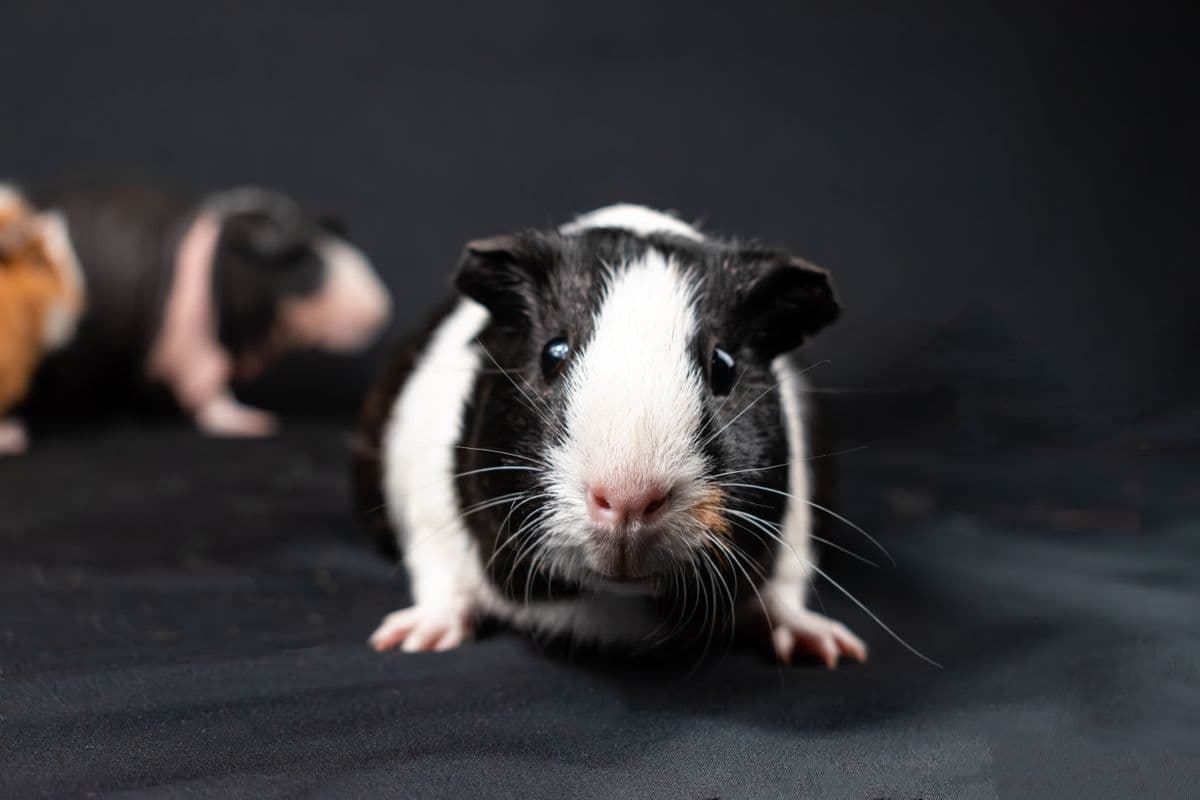
🐾 Guinea Pigs
Guinea Pig Health: The Problems Owners Catch Too Late
Guinea pigs hide illness well and have a few specific weak spots: vitamin C, their teeth, and their chests. This guide covers the signs that need a vet fast, the weekly weigh-in habit that catches trouble early, and the diet mistakes behind most guinea pig health problems.
Weigh your guinea pig every week
Here's the single most useful habit in guinea pig care: a weekly weigh-in on a digital kitchen scale, recorded somewhere you can compare over time. Guinea pigs hide illness, but they can't hide weight loss, and a steady drop of 50–100g is often the first measurable sign of a dental or other problem long before the animal looks unwell. It costs nothing and catches most of the big issues early.
With that baseline in place, the sections below cover the specific problems to watch for and when each one needs a vet.
Got a question about your guinea pig right now?
Describe your situation to a licensed vet on JustAnswer and get a specific answer in minutes, any time of day or night.
Ask a Vet Online Now → (opens in a new tab)Affiliate link. We may earn a commission at no extra cost to you.
Vitamin C deficiency: the number one killer
Guinea pigs, like humans, cannot synthesise their own vitamin C. Without adequate daily intake, roughly 10 to 30mg per kg of body weight, they develop scurvy within weeks. Early signs include reluctance to move (joint pain), a rough coat, and bleeding gums. Many owners don't know that vitamin C degrades rapidly in water bottles and that supplementing via water is largely ineffective. An online vet can review your guinea pig's diet and recommend fresh food sources or chewable supplements that actually work.
Dental disease: a long slow problem
Guinea pig dental problems (overgrown molars forming bridges across the tongue) are insidious. They develop over months and the first obvious sign is often dramatic weight loss because the animal has been struggling to chew for a long time before you notice. Regular weight checks (a kitchen scale once a week) are the best early warning system. An online vet can advise on what to look for and when a dental examination is warranted.
Upper respiratory infections (URI)
URIs are common in guinea pigs, especially in newly acquired animals from pet stores or in multi-pig households. Bordetella bronchiseptica is the most common culprit and spreads easily between guinea pigs and from rabbits. Signs are sneezing, nasal and ocular discharge, and laboured breathing. URIs can deteriorate fast: an online vet can confirm whether antibiotics are needed urgently or whether supportive care is appropriate.
Bumblefoot (pododermatitis)
Bumblefoot is inflammation and infection of the footpads, caused by wire-floored cages, obesity, and inactivity. It's painful and can progress to deep tissue infection and bone involvement if ignored. An online vet can assess photos you send and advise on wound care, bedding changes, and whether systemic antibiotics are needed.
Ovarian cysts in sows
Unspayed female guinea pigs (sows) have a very high rate of ovarian cyst development as they age. Cysts cause bilateral symmetric hair loss (particularly along the flanks), irritability, and a distended abdomen. An online vet can advise on the options (hormonal implants, aspiration, or spaying) and help you navigate what to expect from each.
The social needs of guinea pigs: a health issue
Guinea pigs are genuinely social animals that get chronically stressed when kept alone, so much so that in Switzerland keeping a single guinea pig is illegal under animal welfare law. Chronic stress suppresses the immune system and feeds into the GI and skin problems above, so companionship is a health matter, not just a nicety. A vet can advise on safe introductions if you're thinking of adding a second pig.
Key takeaways
- Weigh your guinea pig weekly; a steady 50–100g drop is often the first sign of illness.
- A guinea pig that stops eating for ~12 hours needs prompt attention; their gut must keep moving.
- They can't make their own vitamin C and need a daily dietary source; drops in water don't work.
- Unlimited grass hay should be the bulk of the diet, supporting both teeth and gut.
- Breathing changes point to a chest infection that can worsen fast; don't wait it out.
- Guinea pigs are social; keeping one alone is a genuine welfare and health issue.
Still have a question about your guinea pig?
Chat With a Licensed Vet on JustAnswer → (opens in a new tab)Affiliate link · No extra cost to you
More pet care guides
🐇 Rabbits
Rabbit Health 101: The Signs New Owners Miss
8 min read
🐹 Hamsters
Hamster Health Guide: Small Pet, Fast-Moving Problems
7 min read
🦡 Ferrets
Ferret Health 101: The Playful Pet With Very Specific Needs
7 min read
🦔 Hedgehogs
Pet Hedgehog Care: Quills, Diet, and the Health Signs That Matter
6 min read