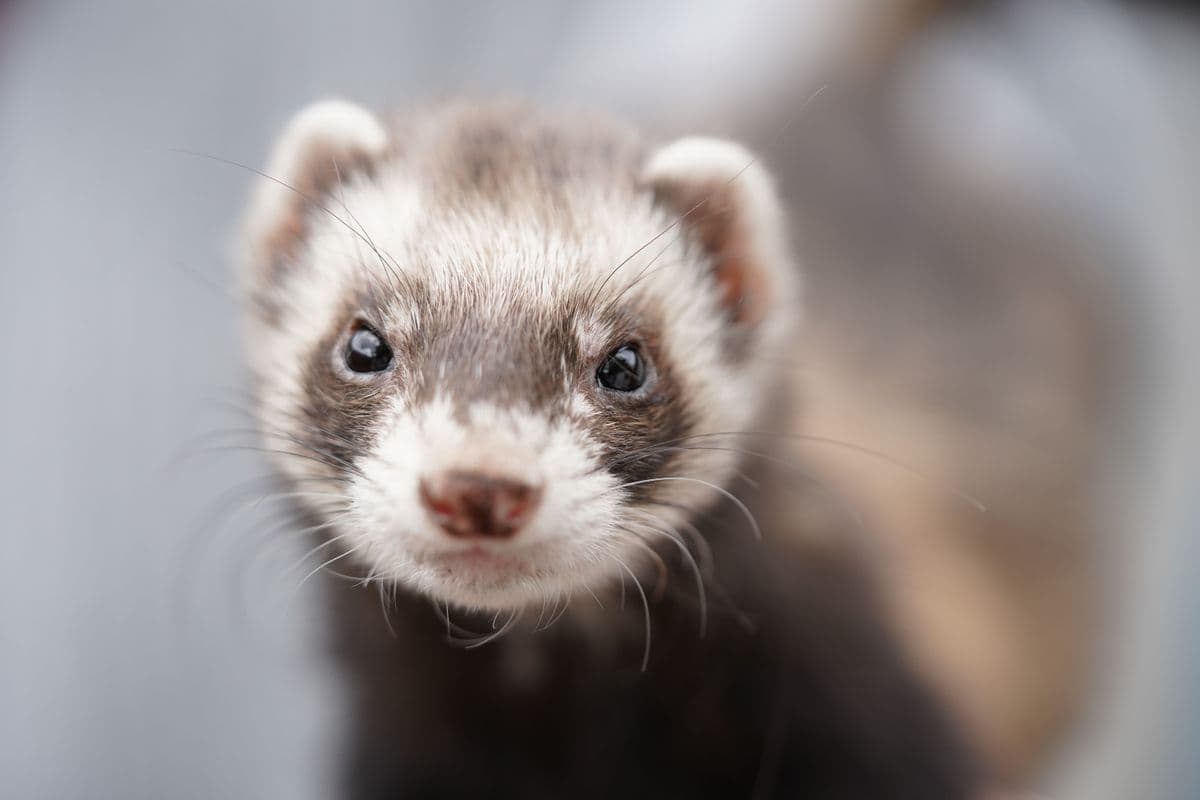
🦡 Ferrets
Ferret Health 101: The Playful Pet With Very Specific Needs
Ferrets are endlessly entertaining, but they're also prone to a short list of serious conditions that every owner should recognise early. Here's what an online vet can help you stay ahead of.
Why ferrets need an exotic-savvy vet
Ferrets have a fast metabolism, a short digestive tract, and a genetic predisposition to a handful of specific diseases that most dog-and-cat vets rarely see. That combination means problems develop quickly and can be easy to misread. Online access to a vet who understands ferrets lets you triage fast, which matters a great deal in a species where a day can make a real difference.
Got a question about your ferret right now?
Describe your situation to a licensed vet on JustAnswer and get a specific answer in minutes, any time of day or night.
Ask a Vet Online Now → (opens in a new tab)Affiliate link. We may earn a commission at no extra cost to you.
Adrenal disease: watch for hair loss
Adrenal gland disease is extremely common in pet ferrets, particularly those neutered early. The hallmark sign is symmetrical hair loss starting at the tail and progressing up the body, often with increased itchiness. An online vet can help you distinguish seasonal coat changes from the pattern that signals adrenal disease and advise on whether hormone implants or surgery are the right next step.
Insulinoma: the low-blood-sugar emergency
Insulinoma, a tumour of the pancreas that overproduces insulin, is one of the most common ferret cancers. Signs include staring blankly, drooling, pawing at the mouth, weakness in the hind end, and in severe cases seizures. An online vet can walk you through emergency management (rubbing honey on the gums during a crisis) and explain the dietary and medical options for long-term control.
The strict carnivore diet
Ferrets are obligate carnivores with an even more demanding requirement than cats. They cannot digest plant matter and need a high-protein, high-fat diet. Many commercial ferret foods contain inappropriate grain fillers. An online vet can review what you're feeding and flag the gaps that lead to long-term health problems.
Blockages from chewing
Ferrets love to chew rubber, foam, and soft plastic, and these frequently cause intestinal blockages, which are life-threatening. Signs include reduced appetite, tiny or absent stools, and lethargy. An online vet can help you judge whether what you're seeing warrants an immediate emergency visit for imaging.
Vaccination and routine care
Ferrets need vaccination against canine distemper, which is almost always fatal to them, and in many regions rabies. An online vet can help you build an appropriate schedule and explain the signs of vaccine reactions, which ferrets are somewhat prone to.
Key takeaways
- Symmetrical hair loss starting at the tail is a classic sign of adrenal disease; get it checked.
- Weakness, drooling, or staring spells can signal insulinoma (low blood sugar); rub honey on the gums in a crisis and call a vet.
- Ferrets are strict carnivores; feed high-protein, high-fat food and avoid grain fillers.
- They chew soft rubber and foam, which cause life-threatening blockages; ferret-proof the home.
- Vaccinate against canine distemper, which is almost always fatal to ferrets.
- Problems move fast in ferrets, so get advice early rather than waiting.
Still have a question about your ferret?
Chat With a Licensed Vet on JustAnswer → (opens in a new tab)Affiliate link · No extra cost to you