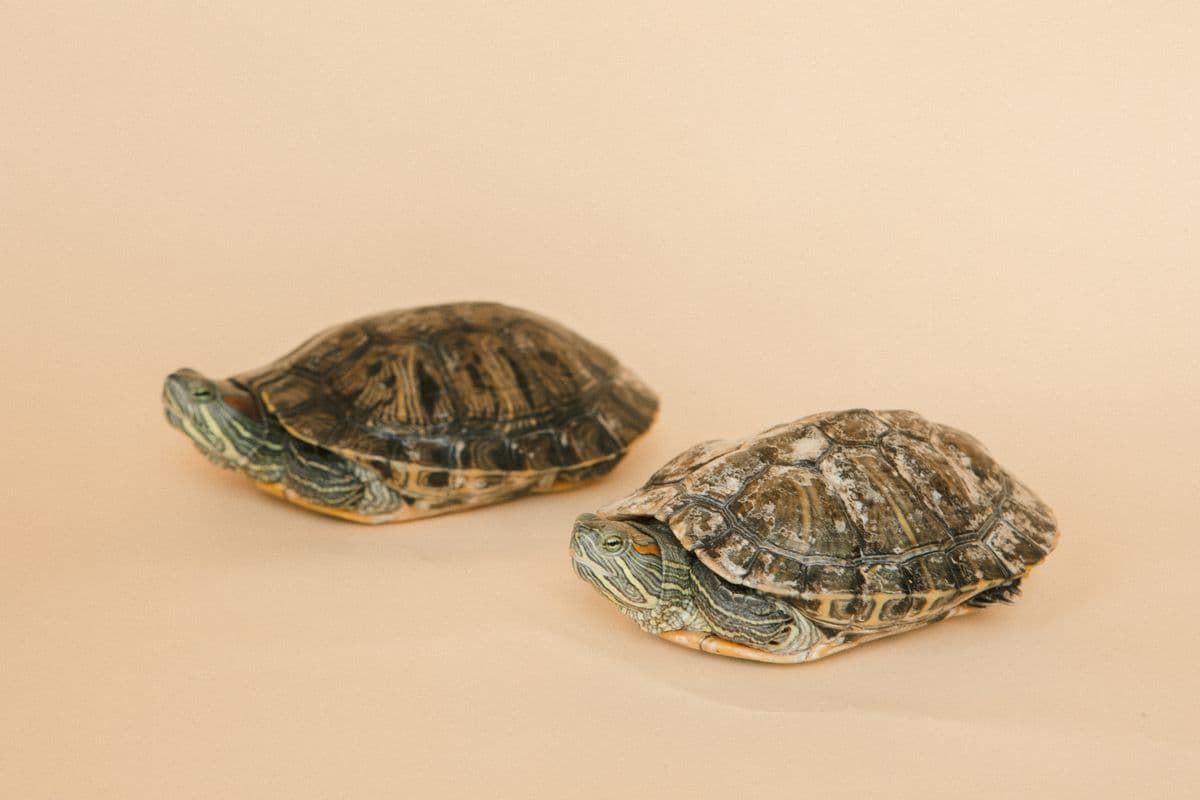
🐢 Turtles
Pet Turtle Care: Water, Warmth, and the Mistakes That Make Them Sick
Aquatic turtles are long-lived reptiles with demanding setups. Most of the illnesses a turtle vet sees come down to lighting, water, and diet. Here's what to get right.
Turtles are a long-term commitment
Many pet turtles outlive the children they were bought for, routinely reaching 20–40 years. Their health depends almost entirely on correct husbandry: water quality, UVB lighting, basking heat, and diet. An online reptile vet will usually focus on your setup first.
Got a question about your turtle right now?
Describe your situation to a licensed vet on JustAnswer and get a specific answer in minutes, any time of day or night.
Ask a Vet Online Now → (opens in a new tab)Affiliate link. We may earn a commission at no extra cost to you.
UVB and shell health
Without adequate UVB light and dietary calcium, turtles develop metabolic bone disease, which shows as a soft, deformed, or pyramiding shell. An online vet can review your lighting (bulb type, age, distance) and diet to catch calcium problems before the shell is permanently damaged.
Respiratory infections
A turtle that floats lopsided, breathes with an open mouth, or has bubbly discharge from the nose likely has a respiratory infection, usually from water or air that's too cold. An online vet can assess severity and advise on whether antibiotics from a reptile vet are needed.
Shell rot and injuries
Soft spots, discolouration, or a foul smell from the shell can indicate shell rot: a bacterial or fungal infection often linked to poor water quality. An online vet can help you judge whether home cleaning and dry-docking will do, or whether it needs veterinary treatment.
Diet and water filtration
Turtles are messy and need strong filtration and the right balance of protein, greens, and calcium that shifts as they age. An online vet can tailor feeding advice to your species and life stage, and help you avoid the vitamin deficiencies that are common in captive turtles.
Key takeaways
- Turtle health depends almost entirely on husbandry: water quality, UVB, basking heat, and diet.
- Weak UVB or low calcium causes a soft or deformed shell; replace UVB bulbs on schedule.
- Floating lopsided or open-mouth breathing points to a respiratory infection, usually from being too cold.
- Soft spots or a foul smell from the shell can be shell rot, often linked to dirty water.
- Turtles are messy; strong filtration and regular water changes prevent most problems.
- They can live 20–40 years, so plan for a long-term commitment.
Still have a question about your turtle?
Chat With a Licensed Vet on JustAnswer → (opens in a new tab)Affiliate link · No extra cost to you
More pet care guides
🦎 Reptiles
Reptile Care Q&A: The Questions Every Bearded Dragon, Gecko & Snake Owner Should Ask
9 min read
🐢 Tortoises
Tortoise Care: Slow-Living Reptiles With Decades-Long Needs
8 min read

🐕 Dogs
7 Common Dog Health Questions, and How to Tell What's Urgent
8 min read

🐈 Cats
Why Is My Cat Doing That? Decoding Common Cat Behaviour
7 min read