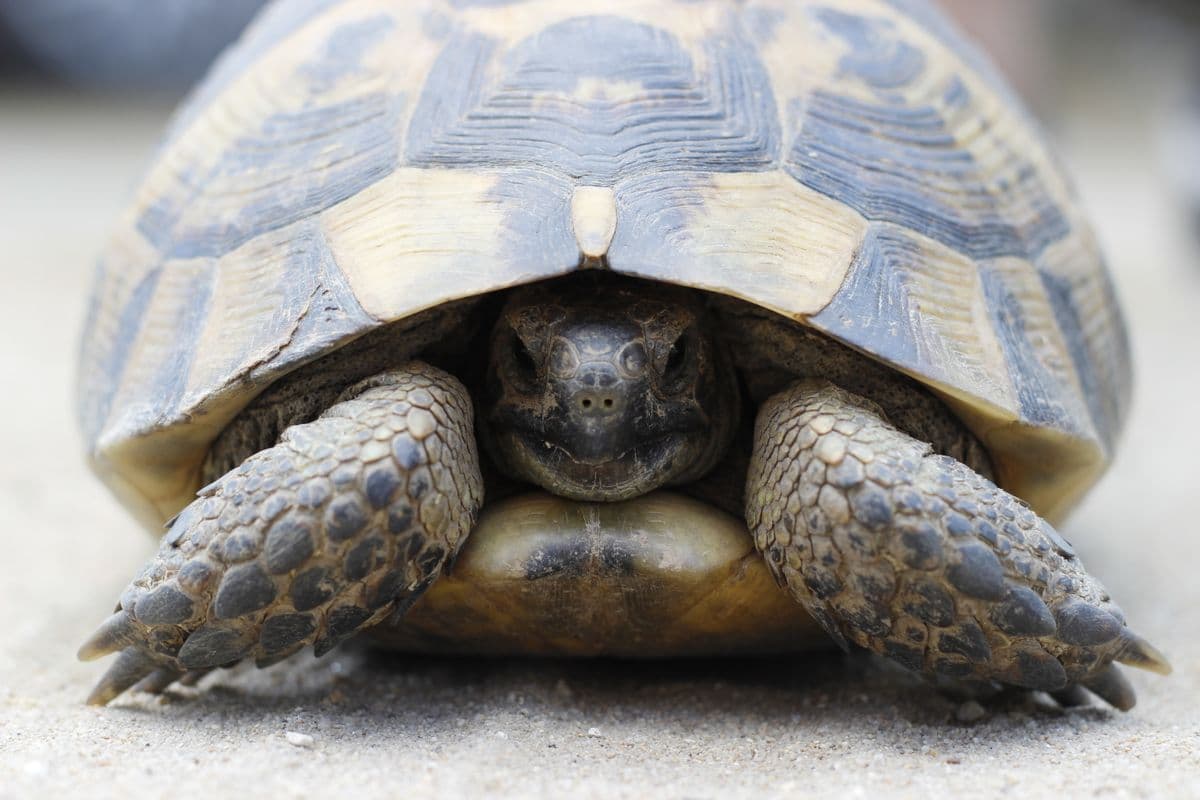
🐢 Tortoises
Tortoise Care: Slow-Living Reptiles With Decades-Long Needs
Tortoises can outlive their owners, but only with the right lighting, diet, and temperature. Most health problems a tortoise vet sees are husbandry-driven and preventable. Here's the guide.
A pet that can outlive you
Many tortoise species routinely live 50–100 years, which makes correct, consistent care over decades essential. The majority of problems a tortoise vet treats stem from husbandry (UVB, heat, humidity, and diet) rather than infection. An online reptile vet will usually review your setup first.
Got a question about your tortoise right now?
Describe your situation to a licensed vet on JustAnswer and get a specific answer in minutes, any time of day or night.
Ask a Vet Online Now → (opens in a new tab)Affiliate link. We may earn a commission at no extra cost to you.
UVB, calcium, and shell growth
Without proper UVB lighting and dietary calcium, tortoises develop metabolic bone disease, seen as a soft shell or 'pyramiding' (bumpy, raised scutes). An online vet can review your lighting and diet to catch calcium problems before they cause lasting deformity.
Respiratory infections and runny noses
A tortoise with a runny nose, bubbling, or laboured breathing may have a respiratory infection, often linked to temperatures that are too low. An online vet can assess severity and advise on whether in-person treatment is needed.
Diet: getting it right by species
Tortoise dietary needs vary enormously by species: many need high-fibre, low-protein grazing diets, and the wrong food causes shell deformity, bladder stones, and organ damage. An online vet can tailor feeding guidance to your specific species.
Hibernation done safely
Some tortoise species hibernate, but doing it with an underweight or unwell animal can be fatal. An online vet can help you assess whether your tortoise is a candidate and guide you through pre-hibernation health checks and safe technique.
Bladder stones and dehydration
Chronic dehydration and poor diet lead to bladder stones, a common and serious tortoise problem. An online vet can advise on hydration, bathing, and the warning signs that warrant imaging.
Key takeaways
- Tortoises can live 50–100 years; most problems come from husbandry, not infection.
- Weak UVB or low calcium causes a soft or pyramided shell; get lighting and diet right.
- A runny nose or laboured breathing suggests a respiratory infection, often from low temperatures.
- Diet needs vary hugely by species; the wrong food causes shell and organ damage.
- Only hibernate a healthy, well-weighted tortoise, and do health checks first.
- Regular bathing and good hydration help prevent bladder stones.
Still have a question about your tortoise?
Chat With a Licensed Vet on JustAnswer → (opens in a new tab)Affiliate link · No extra cost to you
More pet care guides

🦎 Reptiles
Reptile Care Q&A: The Questions Every Bearded Dragon, Gecko & Snake Owner Should Ask
9 min read
🐢 Turtles
Pet Turtle Care: Water, Warmth, and the Mistakes That Make Them Sick
7 min read

🐕 Dogs
7 Common Dog Health Questions, and How to Tell What's Urgent
8 min read

🐈 Cats
Why Is My Cat Doing That? Decoding Common Cat Behaviour
7 min read