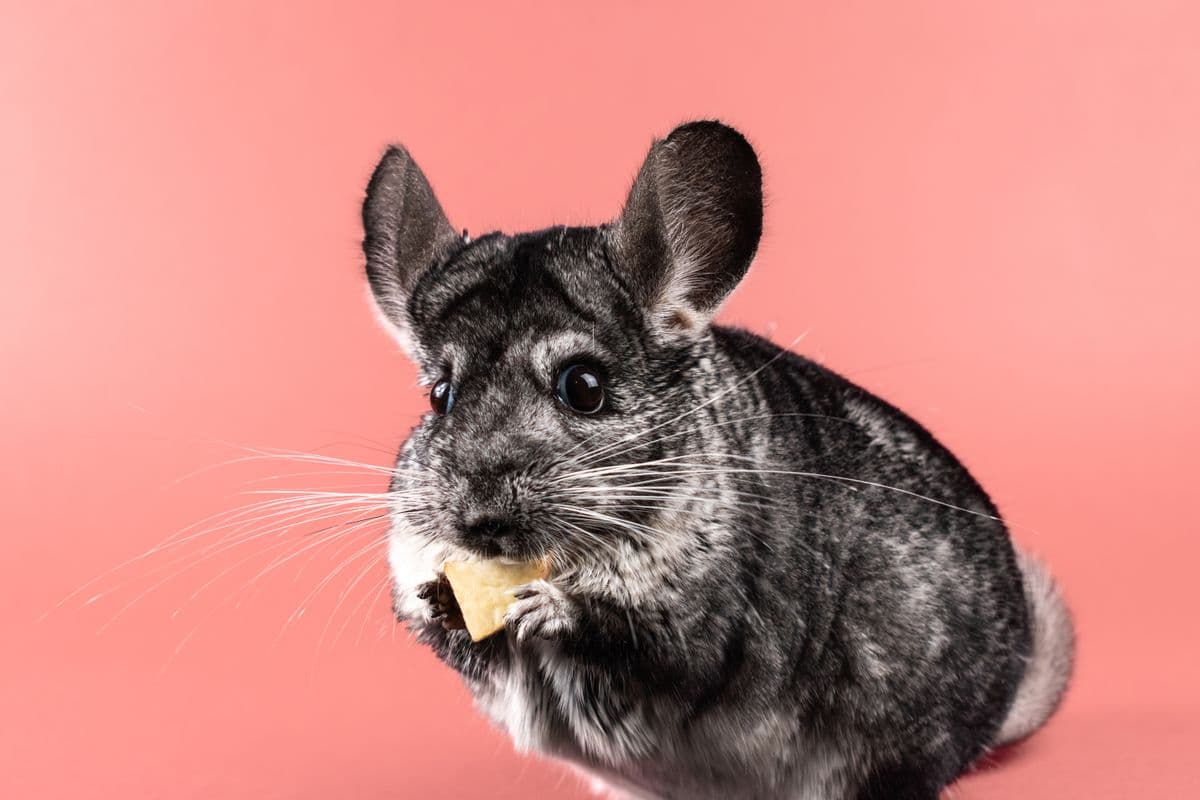
🐭 Chinchillas
Chinchilla Care: Keeping a Delicate, Long-Lived Pet Healthy
Chinchillas can live 15–20 years, but their dense fur, sensitive digestion, and constantly growing teeth make them one of the more demanding small pets. Here's what to watch for.
A long-lived, sensitive companion
Chinchillas are prey animals from the high Andes, adapted to cool, dry climates. In captivity they're sensitive to heat, humidity, dietary change, and stress. Because they can live two decades, small husbandry mistakes compound over time, which is where regular, knowledgeable guidance pays off.
Got a question about your chinchilla right now?
Describe your situation to a licensed vet on JustAnswer and get a specific answer in minutes, any time of day or night.
Ask a Vet Online Now → (opens in a new tab)Affiliate link. We may earn a commission at no extra cost to you.
Overheating is a genuine danger
Chinchillas have the densest fur of almost any land mammal and cannot shed heat efficiently. Temperatures above roughly 25°C (77°F) can cause fatal heatstroke. Signs include red ears, lethargy, and drooling. An online vet can advise on emergency cooling and on how to set up the enclosure to prevent it.
Dental disease and malocclusion
Like all rodents, chinchillas have continuously growing teeth. Malocclusion (misaligned teeth) causes drooling, weight loss, and a wet chin, and is often rooted in genetics or inadequate hay. An online vet can review the diet and symptoms and advise on when a dental exam is needed.
Digestive upset and bloat
A chinchilla's gut needs constant fibre from hay to keep moving. Sudden diet changes, too many treats, or stress can cause bloat and gut stasis: both serious. Signs include reduced droppings, a hunched posture, and refusal to eat. An online vet can help you judge severity quickly.
Fur chewing and dust baths
Chinchillas need regular dust baths to keep their fur healthy: never water baths, which they can't dry from properly. Fur chewing or 'fur slip' can signal stress, boredom, or skin issues. An online vet can help you work out whether it's behavioural or medical.
Key takeaways
- Chinchillas overheat easily; keep them below about 25°C (77°F) to avoid fatal heatstroke.
- Unlimited grass hay is essential for both their teeth and their gut.
- Reduced droppings, hunching, or refusing food can signal gut stasis or bloat; act quickly.
- Provide dust baths, never water baths, which their dense fur can't dry from.
- Dental problems show as drooling and weight loss; a weekly weigh-in catches them early.
- They can live 15–20 years, so consistent care pays off over the long run.
Still have a question about your chinchilla?
Chat With a Licensed Vet on JustAnswer → (opens in a new tab)Affiliate link · No extra cost to you